
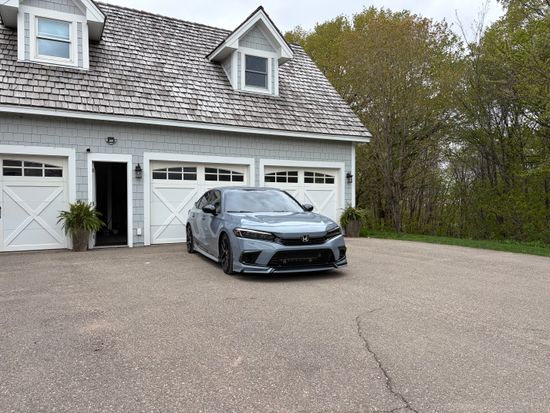
The garage is a key entry point to your home, and when it doesn’t work properly, it affects how easily you enter and exit the house. Preventive maintenance confirms the door’s electrical and mechanical parts are functioning or catches malfunctions early. Technicians at Miller’s Overhead Door are familiar with major brands and models, so they can provide targeted garage door repair. Here are some preventive maintenance tips to avoid garage door replacement:
Clean and Inspect Regularly
A garage door relies on several key components to function properly. Torsion springs are mounted above the door; they’re twisted to store and release power as the door is lifted or lowered. Steel cables are attached to winding drums on one end and the door’s base on the other. When the cable is wound, the springs tighten, so the door lifts and stays in place. The door moves along steel tracks on small wheels, which keep it positioned over the garage opening. If these parts shift out of alignment, the garage door won’t open and close smoothly. This can cause parts to wear out faster or become a safety risk.
Keeping the door’s components clean and in working order helps prevent misalignment. During an inspection, you should:
- Watch the door open and close. If the door jerks, misalignment or debris may be interfering with its movement. Unusual noises, such as grinding or squeaking, indicate that parts need lubrication.
- Clear the tracks. Remove leaves and dirt from both the door’s vertical and horizontal tracks. Small particles can be wiped away with a damp rag.
- Inspect the cables. Garage door cables are thick, tightly braided steel wire ropes; they should be smooth and pulled tight with no slack. If the cable is frayed or rusted, the door may tilt or get stuck half-open.
- Check the springs. Torsion springs should be rust-free, with no gaps appearing between the coils. When springs break, the door becomes too heavy to lift manually, preventing cars from entering or exiting the garage.
Changes in functionality or appearance often require professional garage door repair. While some repairs are homeowner-friendly, parts like the torsion spring require specialized tools and safety precautions. Our technicians match repairs to your door brand and model, and they verify functionality after every repair.
Maintain the Hardware
Garage doors require hardware for stability and to connect the mechanical components. Many doors have multiple panels, so they can flex as the door moves along the curved track. The panels are secured with hinges, which act as pivot points during movement. Some hinges also contain a tube that holds the metal roller stem. This housing keeps the wheels secure inside the track. Over time, the door’s hinges can pull away from the door panels, or friction wears down the housing’s walls. Tightening bolts and lubricating the roller stems helps confirm the door and hinges are securely attached.
A garage door is mounted on tracks, which are secured with a series of brackets. This provides stability and keeps heavy doors from falling when they’re open or moving. Vertical tracks attach to the garage wall on either side; they’re slightly tilted to seal the door against the weatherstripping. Horizontal tracks run along the garage’s ceiling. A curved track connects these so the door can transition smoothly from vertical to horizontal. Brackets attach the tracks to the wall, the door jamb, and the door. Because these hardware pieces carry a significant structural load, keeping them secure and in good condition helps prevent improper door movement.
Scheduling regular maintenance helps verify that the door’s hardware remains functional. Technicians complete a thorough inspection, so they can catch minor issues before they become major repairs. When repairs are required, technicians quickly replace worn or damaged components to minimize delays.
Check the Door’s Balance
Though many garage doors weigh over 100 pounds, an electronic opener is designed to lift significantly less. Torsion springs balance the door’s weight. The springs do most of the lifting, minimizing strain on the electrical components. Over time, springs can lose tension and weaken, leaving the door unbalanced. If this happens, the opener must carry more weight, and it places strain on the motors and gears. It’s also a safety hazard. A poorly balanced door can slam down, overriding safety features like the auto-reverse.
To test your door’s balance, disconnect it from the opener after closing it fully. Manually lift the door about halfway. A properly balanced door should feel light and stay in place when you let go. A door that slams down or rises typically needs adjustment. Professional technicians are trained to install high-tension springs, which pose a safety hazard if mishandled. Restoring normal operation can reduce unnecessary strain on the door’s components, and this helps increase their longevity.
Schedule Garage Door Repair
A damaged garage door impacts daily convenience, especially if your vehicle is trapped inside the garage. Prompt repair service identifies and addresses the root cause, so you can retrieve or secure your car. Technicians at Miller’s Overhead Door are prepared to realign doors, repair malfunctioning openers, and replace damaged or dented panels. Preventive care plans help keep your door functioning long-term by verifying safe operation and minimizing major repairs. Contact us today to learn more about our services.