
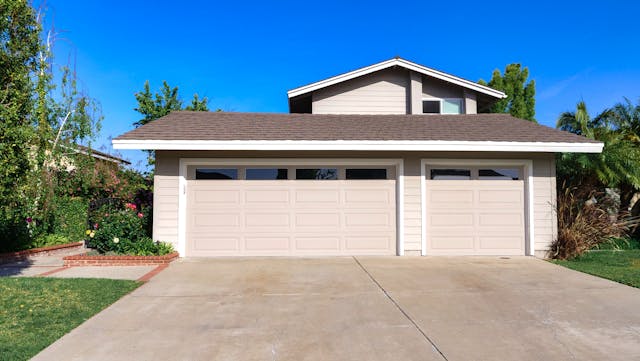
A properly working garage door supports your daily convenience, and small issues can lead to larger mechanical failures. Timely garage door repair helps restore safe operation. At Miller’s Overhead Door, we assist homeowners in identifying which components need professional attention. Here is some information on garage door parts and their maintenance needs:
Inspect Tension Systems
Garage door springs manage the weight of the door, allowing it to open and close with controlled movement. These components frequently operate under high tension. They may experience corrosion after years of daily use. Extension springs require regular inspections for frayed cables, and torsion springs should be checked for rust in the steel coils. Signs of wear include uneven movement or visible difficulty lifting the door, and a failing spring can place stress on the other mechanical parts. Routine checks identify early damage before a total system failure occurs. Professional garage door repair involves adjusting worn springs to restore the proper balance. This specialized service confirms the opener motor does not burn out prematurely.
Maintain Rollers and Tracks
Rollers guide the door along the track system to maintain smooth movement; these wheels should spin freely to prevent the door from jerking. Dirt and grease can collect along the tracks over time. This buildup may cause resistance for the opener motor. Misaligned tracks also prevent the door from moving evenly, sometimes leading to the door becoming wedged or off-track. Regular cleaning helps remove these obstructions. It allows the rollers to travel without dragging or skipping. Worn-out rollers may produce excessive grinding noise, so replacing them with quiet versions helps improve performance.
Proper alignment keeps the system functioning correctly. It may also reduce the mechanical strain on your garage door opener. Homeowners should check the mounting bolts on the track brackets; tightening these fasteners confirms the rails stay vertical. A well-aligned track system helps prevent the panels from scraping against the door frame, and it maintains a tight seal against the outside elements. Additional maintenance includes:
- Wiping the inner curves of the rails removes hardened grease, and this maintenance step may prevent the rollers from getting stuck.
- Applying a lubricant to the center bearings keeps the wheels spinning, helping reduce the friction that leads to flat spots.
- Vibration can loosen the lag screws over time. Securing these brackets prevents the tracks from bowing outward under pressure.
Check Safety Components
Garage door cables support the lifting process. Damaged cables may compromise your home’s safety, and they should be inspected regularly for signs of thinning metal. These components carry tension while the door is in motion. Confirming these steel lines are properly seated on their tracks helps prevent the door from becoming crooked.
Safety sensors also prevent the door from closing when an obstruction is detected. They should be clear of dirt or cobwebs. Misaligned sensors interrupt the normal closing function. A routine inspection helps confirm that all safety features are working as intended, and it identifies small electrical glitches. Testing the auto-reverse system monthly confirms the motor reacts to physical resistance. At Miller’s Overhead Door, our expert technicians provide comprehensive safety audits and inspect high-tension cables for structural integrity.
Schedule Garage Door Repair Today
Understanding how each mechanical component works allows homeowners to recognize potential issues. Lubricating moving parts can reduce friction, which allows the system to have an extended lifespan. At Miller’s Overhead Door, our team provides expert garage door repair services, and we help homeowners keep their systems in proper condition. Contact Miller’s Overhead Door today to schedule a consultation and maintain the safety of your garage door.